
Bone grafting is a specialized medical procedure that plays a crucial role in treating bone loss or damage caused by injury, disease, or congenital defects. The goal of a bone graft is to provide a scaffold that encourages the growth of new bone. Grafting works by either stimulating the body’s natural regenerative processes or by serving as a substitute for missing bone. Understanding the different types of bone grafting treatments is essential for patients considering or undergoing this procedure.
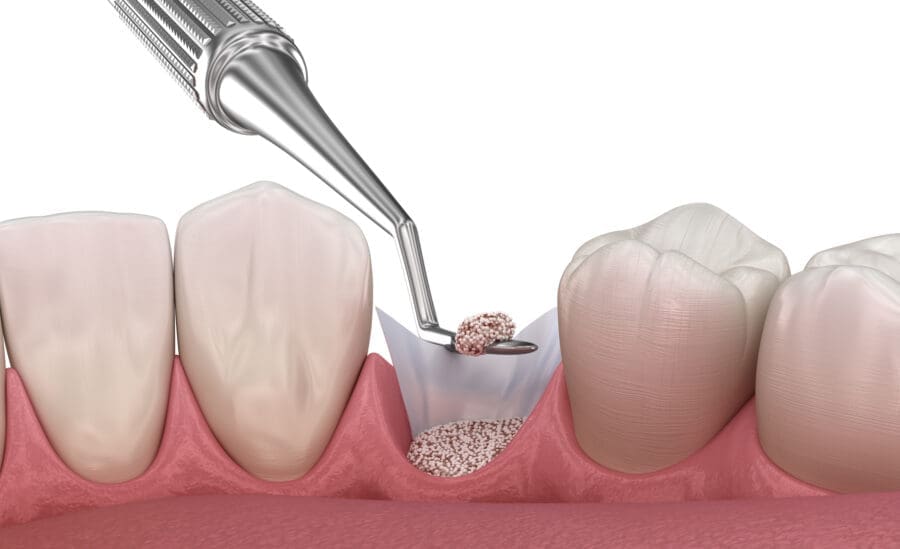
Autografts: Using the Body’s Own Tissue
Autografts, also known as autologous bone grafts, are harvested from the patient’s own body. Because the tissue is taken from the same individual, there is no risk of immune rejection or disease transmission. Autografts are often considered the gold standard in bone grafting due to their high compatibility and ability to stimulate bone growth effectively.
This type of graft contains living cellular components that support the regeneration of new bone tissue. However, the procedure requires an additional surgical site. This can lead to increased recovery time and discomfort. Despite this drawback, autografts are frequently used in dental surgeries where bone regeneration is critical.
Allografts: Donor Bone from Another Human
Allografts involve the use of bone tissue from a human donor, typically obtained from a tissue bank. These grafts are rigorously screened and processed to remove any cellular material that could cause an immune response. Allografts do not contain live bone-forming cells like autografts. However, they can provide an effective scaffold for new bone to grow into, especially in cases where the patient’s own bone is insufficient or unavailable.
Because they eliminate the need for a second surgical site, allografts could reduce overall surgical time and recovery discomfort. They are commonly used in dental implant procedures. However, they may have a slightly lower success rate in stimulating new bone growth compared to autografts due to the absence of live cells.
Xenografts: Bone from Another Species
Xenografts are derived from animal sources, most commonly bovine (cow) bone. These grafts undergo extensive processing to remove all organic components, leaving behind a mineral scaffold that is biologically compatible with human tissue. Xenografts are often used in dental surgeries, such as sinus lifts and ridge augmentations, where they help support new bone growth in preparation for implants.
Xenografts do not integrate as seamlessly as human bone. However, they can offer a reliable and readily available alternative. Their primary function is to maintain space and structure, allowing the patient’s natural bone to regenerate over time. They are considered safe and effective, although the risk of slower resorption or integration may be higher than with human-sourced grafts.
Alloplasts: Man-Made Alternatives
Advances in biomaterials have led to the development of synthetic bone grafts. These are made from materials like calcium phosphate, bioactive glass, or hydroxyapatite. These materials are designed to mimic the properties of natural bone, providing a scaffold that supports new bone formation.
Synthetic grafts offer several benefits, including consistent quality, unlimited supply, and no risk of disease transmission. They are commonly used in dental procedures and can be combined with growth factors or stem cells to enhance their effectiveness. While they may not match the biological performance of autografts, synthetic grafts are continually evolving and offer a promising solution for many bone regeneration needs.
Choosing the Right Bone Grafting Treatment
The choice of bone graft depends on various factors. The location and size of the bone defect, the patient’s overall health, and the purpose of the graft all impact the decision. Each type of graft comes with its own set of advantages and limitations. Consulting with a qualified healthcare provider is the best way to determine which option is most appropriate for an individual case.
Bone Grafting in Wilmington, DE
At Oral Facial Surgery of Delaware, we are dedicated to helping our patients improve their bites and oral health. If you have bone loss due to missing teeth, bone grafting could help improve implant success. Contact our office today to schedule a consultation and learn more about your treatment options.