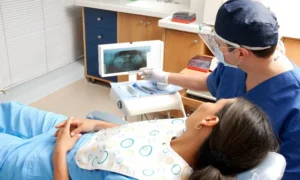
Going to the dentist isn’t everyone’s idea of fun. And for many people anxiety and fear can make even routine care feel overwhelming. That’s where dental sedation comes in. At Oral Facial Surgery of Delaware, we offer sedation dentistry to help you stay relaxed and calm throughout your dental appointment, whether you’re facing a major oral surgery or simply want a more comfortable experience. From gentle laughing gas (nitrous oxide) to oral sedatives and deeper intravenous (IV) sedation, the right sedation option could take stress away so your dental team can focus on your oral health.
Communicate Clearly With Your Dental Team
Before anything else, effective communication with your dental care team sets the stage for a good sedation experience. When you schedule your appointment or come in for your consultation, be open and thorough about your medical history. Let us know about any medications you are currently taking, including prescription drugs, over-the-counter supplements, and vitamins. Certain medicines can interact with sedation medications, so sharing this information upfront helps your dentist plan the most appropriate and safest sedation approach for you. If anything in your health situation is unclear or changes before the procedure, call our office so we can update your records and adjust instructions accordingly.
Follow Eating and Drinking Guidelines
One of the most critical aspects of preparing for dental sedation involves your diet before the appointment. For some types of sedation, particularly oral sedation and IV sedation, you will likely be asked to refrain from eating or drinking anything for several hours before your visit. This fasting period helps reduce the risk of nausea and complications during treatment. While nitrous oxide sedation may not require strict fasting, heavier or deeper sedation often does, so always follow the specific instructions provided by your clinical team.
Try to avoid heavy or greasy meals the evening before your appointment. A light meal the night before can help keep your blood sugar stable, but once you’re within the specified fasting window, do not consume food or drink, even water, unless your dentist has given you different directions.
Arrange for Transportation and Support
Because sedation can make you drowsy and impair your ability to drive or make decisions, you should plan ahead for transportation. For oral sedation and IV sedation, having a trusted friend or family member drive you to and from the appointment isn’t just helpful, it’s necessary. They should be able to accompany you in the office as needed and stay close afterward in case you feel groggy or disoriented.
In addition to transportation, consider having someone stay with you for a few hours after the procedure. Even if you feel alert once you leave the office, your reflexes and judgment may still be slower than usual. Your dental team can provide guidance on how long you’ll need support based on the type of sedation you received.
Dress Comfortably and Prepare Practically
On the day of your appointment, choose clothing that will keep you comfortable during your visit. Loose-fitting attire makes it easier for dental staff to access your arm if IV sedation is used, and it generally feels better when you’re relaxing in the dental chair. Avoid tight sleeves, restrictive layers, and heavy jewelry.
Skip the makeup, nail polish, or contact lenses if your dentist advises it. These can sometimes interfere with monitoring equipment and your comfort. Bring a light sweater or jacket if you tend to get cold in medical settings. These small comforts can make a big difference in how at ease you feel before your procedure begins.
Know What to Expect After Sedation
Recovery time varies depending on the sedation level you received. With nitrous oxide, effects tend to fade quickly, and many patients can resume their normal routines soon after. Oral sedation and IV sedation, however, usually require rest and recovery at home. Arrange to take the rest of the day off, avoid driving, and plan low-key activities afterward. Your dentist will give you specific aftercare instructions, which might include how to handle discomfort, swelling, or any medications you need to take at home.
Dental Sedation in Wilmington, DE
Taking a little extra time to prepare thoughtfully for dental sedation can transform what might once have been a stressful experience into a calm, managed, and even comfortable one. With our caring team at Oral Facial Surgery of Delaware and the right preparation, you could face dental care with confidence and ease. Contact our office today to schedule a consultation and learn more.