
Sports are unpredictable. And when the action heats up, your face is often right in the line of fire. Every year, thousands of athletes end up in emergency rooms with sports-related facial trauma: knocked-out teeth, broken jaws, and deep cuts to the mouth and face.
Dr. Campbell and Dr. Rafetto see these injuries regularly at Oral Facial Surgery of Delaware. And most of them are preventable. Let’s talk about how to protect your smile on the field and what to do if the worst happens anyway.
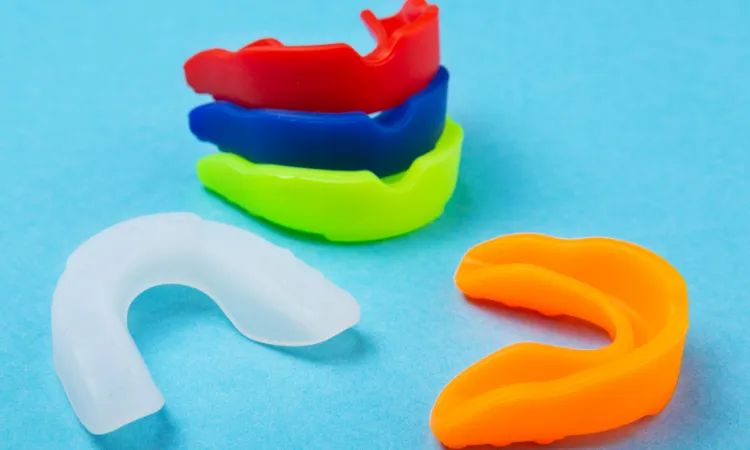
The Mouthguard: Your First Line of Defense
If you play a contact sport, a mouthguard isn’t optional. It’s essential.
A properly fitted mouthguard does more than protect your teeth. It also absorbs impact that would otherwise travel up into your jaw, potentially causing a fracture. It cushions your lips and cheeks from your own teeth. It can even reduce the risk of concussions by absorbing shock. But not all mouthguards are created equal.
Boil-and-bite guards from the sporting goods store are better than nothing. They’re cheap and easy to find. But they’re bulky, they don’t fit precisely, and they can make it hard to breathe or talk. Many athletes end up taking them out mid-game.
Custom mouthguards are a different story. We take an impression of your teeth and create a guard that fits perfectly. It’s thinner, more comfortable, and stays in place during play. Athletes actually wear them, which is the whole point.
Which Sports Need Mouthguards?
Football, hockey, and lacrosse are the obvious ones. But don’t stop there. The American Dental Association recommends mouthguards for more than 25 sports, including:
- Basketball
- Soccer
- Field hockey
- Baseball and softball
- Wrestling
- Gymnastics
- Skateboarding and cycling
If there’s a chance of contact with another player, the ground, or equipment, a mouthguard is worth it.
Helmets and Face Shields Matter Too
A mouthguard protects your teeth. But a helmet with a proper face shield protects your whole face.
Make sure helmets fit snugly and are inspected for damage before each season. A cracked or loose helmet won’t do its job. For sports like lacrosse and hockey, a full cage or face shield is your best defense against fractures to the cheekbones, nose, and jaw.
If a Tooth Gets Knocked Out
Even with protection, injuries happen. If a permanent tooth gets knocked out during a game, here’s what to do:
- Handle it by the crown. Don’t touch the root. Pick the tooth up by the chewing surface.
- Don’t scrub it. If it’s dirty, rinse it gently with milk or saline. Never use soap or water.
- Try to reinsert it. Gently place the tooth back in the socket. If it won’t go, keep it moist in a cup of milk or between your cheek and gum.
- Call us immediately. Time matters. The faster you get in, the better our chances of saving the tooth.
If You Suspect a Jaw Fracture
Signs of a broken jaw include:
- Pain when moving the jaw
- Difficulty opening or closing your mouth
- Teeth that don’t line up the way they used to
- Swelling or bruising along the jawline
- Numbness in the chin or lower lip
If you notice any of these after a hit, don’t wait. Call our office. We can evaluate the injury and repair the fracture if needed. As oral surgeons with hospital-based training, Dr. Campbell and Dr. Rafetto are equipped to handle these cases.
Play Smart, Stay Safe
You can’t prevent every injury. But you can reduce the odds of a serious one. Wear a well-fitted helmet. Wear a custom mouthguard. And if something goes wrong, know who to call.
If you need a custom mouthguard or you’ve suffered a facial injury on the field, call our Wilmington office at 302-335-6123 or request an appointment online. We’ll help you get back in the game with your smile intact.